Introduction
Barnet, fondly known as The Bees, currently find themselves in a competitive League Two landscape where every point counts. While the team has shown flashes of brilliance, their recent form indicates a need for tactical adjustments, particularly in their offensive strategy. Here, we delve into the current attacking setup, identify potential weaknesses, and propose practical tweaks that could bolster their offensive output.
Current Offensive Structure
At present, Barnet predominantly employs a 4-2-3-1 formation, allowing for a blend of defensive solidity and attacking width. The two holding midfielders provide a shield for the backline while allowing the more creative players in the advanced positions to express themselves. However, despite possessing talented individuals, there have been noticeable inefficiencies in converting opportunities into goals, particularly against teams that sit deep and invite pressure.
Identifying Weaknesses
One of the glaring issues has been the predictability of Barnet’s attacking plays. Opposing teams have increasingly recognized the patterns, often doubling up on key players to nullify their impact. The reliance on wing play, while effective at times, can lead to stagnation in the final third when the crossing options are limited, especially if the target man is well-marked. Additionally, the lack of movement from players in central areas can cause congestion, further stifling creativity.
Suggested Tactical Tweaks
1. Dynamic Movement Off the Ball
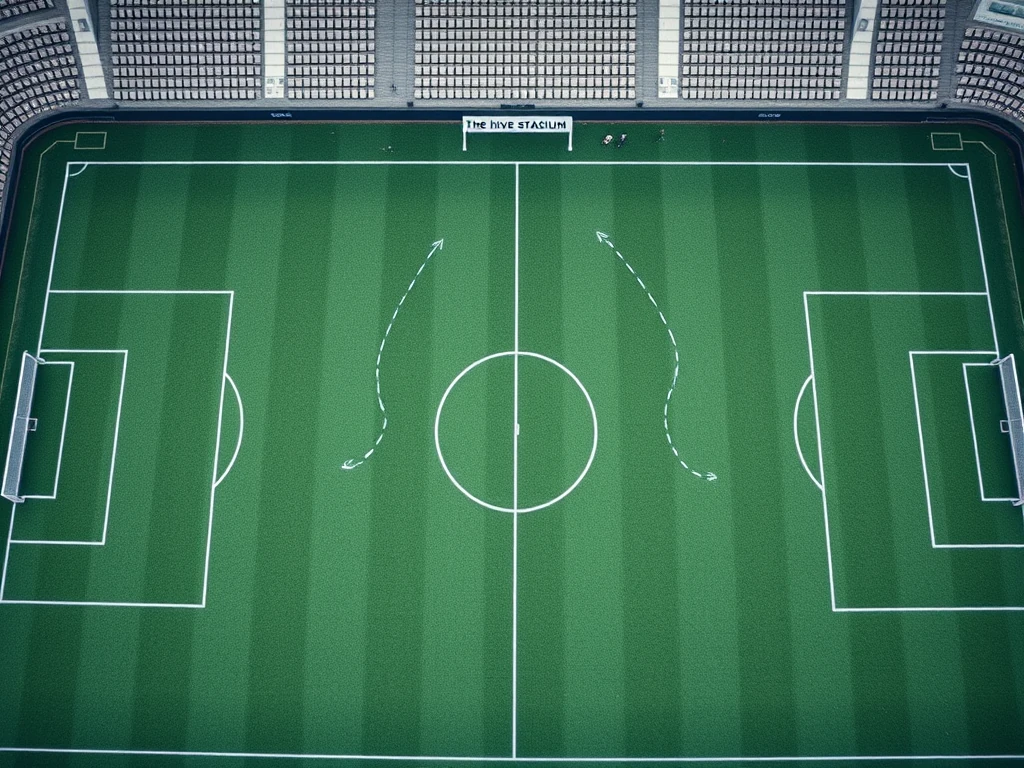
To create more space and opportunities, Barnet should focus on promoting dynamic, off-the-ball movement. Encouraging players to interchange positions frequently and make diagonal runs can disrupt defensive lines and open up gaps for others to exploit. This tactic also helps in drawing defenders out of position, which can lead to more one-on-one situations in the final third.
2. Incorporating a Second Striker
Shifting to a 4-4-2 formation, or a variant like 4-2-2-2, could provide an additional focal point in attack. Partnering B. Assombalonga with another forward would not only enhance the goal threat but also allow for greater fluidity in attacking transitions. This change would facilitate quicker combinations and can create overloads against opposing defences.
3. Utilization of the Full-Backs
Encouraging full-backs to push higher up the pitch could further stretch the opposition. By allowing them to join the attack regularly, Barnet can create width and provide more crossing opportunities. However, this should be balanced with proper cover to ensure that defensive stability is not compromised, particularly against counter-attacks.
4. Set-Piece Variation
Barnet should also look to enhance their effectiveness from set-pieces. Currently, their delivery lacks variation, often relying on a few predictable routines. Introducing more creativity in set-piece scenarios, such as short corners or rehearsed plays, could pose a greater threat and lead to more scoring opportunities.
Conclusion
The Bees have the potential to ascend the League Two ranks with the right tactical adjustments. By focusing on dynamic movement, incorporating a second striker, utilizing full-backs effectively, and varying set-pieces, Barnet can enhance their attacking prowess. As the team approaches the crucial phase of the season, these tweaks could be the difference between mid-table mediocrity and a push for the play-offs, igniting the Hive with renewed hope and excitement.