
"Adapt or perish," echoed through the dressing room of Barnet as players prepared for another collision in League Two. Lately, the Bees have embraced a tactical shift that has intrigued fans and analysts alike. This new formation places emphasis not just on defense but on a more dynamic attacking style.
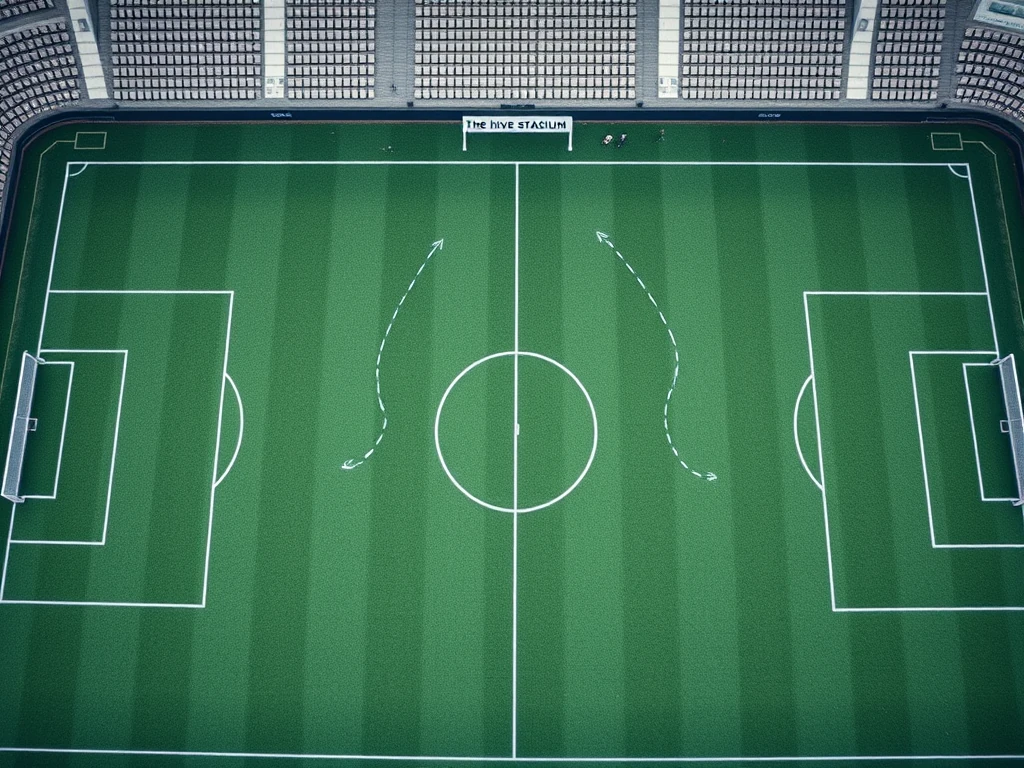
Recently, Barnet managers have opted for a 4-3-3 setup, allowing for greater width on the flanks. This approach enables wingers like R. Browne to stretch the play while allowing midfielders like R. Glover to support both defensively and offensively. The impact on ball possession has been noticeable; Barnet now maintains the ball longer, facilitating smoother transitions from defense to attack.
Statistics from the recent games indicate an increase in shots on target. Barnet has averaged 14 shots per match over the last five fixtures, a stark improvement compared to the previous months. A key element of this tactical shift lies in the fullbacks making overlapping runs, creating intriguing offensive triangles on the pitch. This has also allowed players like B. Assombalonga to find more space inside the box.
Not all this adaptation has been smooth sailing, though. Barnet faced an early-season struggle against physical teams, exposing cracks in their defensive coordination. That said, D. Collinge and D. Adeniran have proven adept at addressing these challenges, shoring up the backline and facilitating better distribution from defense.
A tactical evolution like this can make or break a season. As Barnet inches closer to the top of the table, supporters remain optimistic about the changes the dugout has implemented. If this new system continues to prosper, fans may yet witness the Bees breathing down the necks of promotion spots come spring.