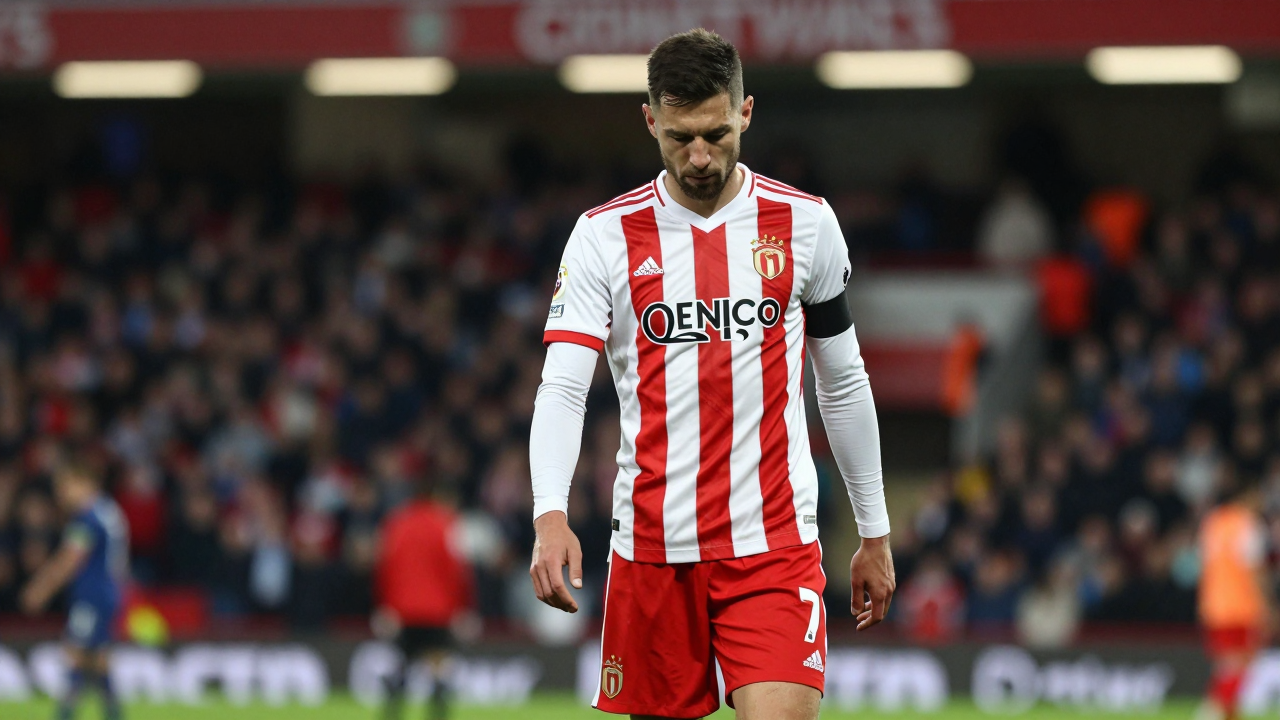

Recent Form: A Tactical Overview
Barnet's recent performances have been a mixed bag, oscillating between thrilling attacking displays and frustrating defensive lapses. The Bees have showcased their potential with strong attacking plays, particularly through their wings, thanks to the pace and creativity of players like B. Assombalonga and Callum Stead. However, their inability to maintain defensive solidity has often left them vulnerable, especially against teams that exploit counter-attacks or set pieces.
Formation and Structure
Currently, Barnet employs a 4-3-3 formation that allows them to dominate possession and press high up the pitch. This approach has its merits, but it also exposes the backline when the midfield fails to win the ball back quickly. A potential tweak could involve shifting to a 4-2-3-1 formation, where two holding midfielders can provide extra protection for the defense. This change would enable the team to be more compact defensively while still allowing for fluid transitions into attack.
Midfield Dynamics
The midfield trio has often been key to Barnet’s successes, particularly in their ability to link play between defense and attack. However, in recent matches, the midfield's lack of cohesion has been evident, with players not always on the same wavelength. Introducing a more disciplined holding midfielder could help maintain shape and provide a safety net for the back four. This player would be responsible for breaking up the opposition's play and distributing the ball effectively to the attacking players.
Utilizing Width
Barnet's attacking strategy has heavily relied on width, utilizing the flanks to stretch opposition defenses. However, this has sometimes made them predictable. To add variety to their attack, the introduction of inverted wingers could be beneficial. By having wingers cut inside, it would create space for overlapping full-backs, allowing for more unpredictable attacking patterns. This would not only keep defenses guessing but also create more goal-scoring opportunities from different angles.
Defensive Adjustments
While Barnet has shown resilience at times, defensive frailties have been exposed, leading to late goals conceded in crucial matches. Improving communication among the defensive line is essential, and incorporating a more zonal marking system during set pieces might reduce the number of goals conceded from dead-ball situations. Additionally, rotating the center-backs based on the opposition's strengths could help in tailoring the defensive approach to be more effective against specific threats.
Conclusion
As Barnet continues to strive for consistency in League Two, fine-tuning their tactical approach could pave the way for better results. By implementing a few strategic adjustments, particularly in formation, midfield dynamics, and attacking width, The Bees can maximize their strengths while addressing areas of weakness, leading to a more balanced and effective side as the season progresses.