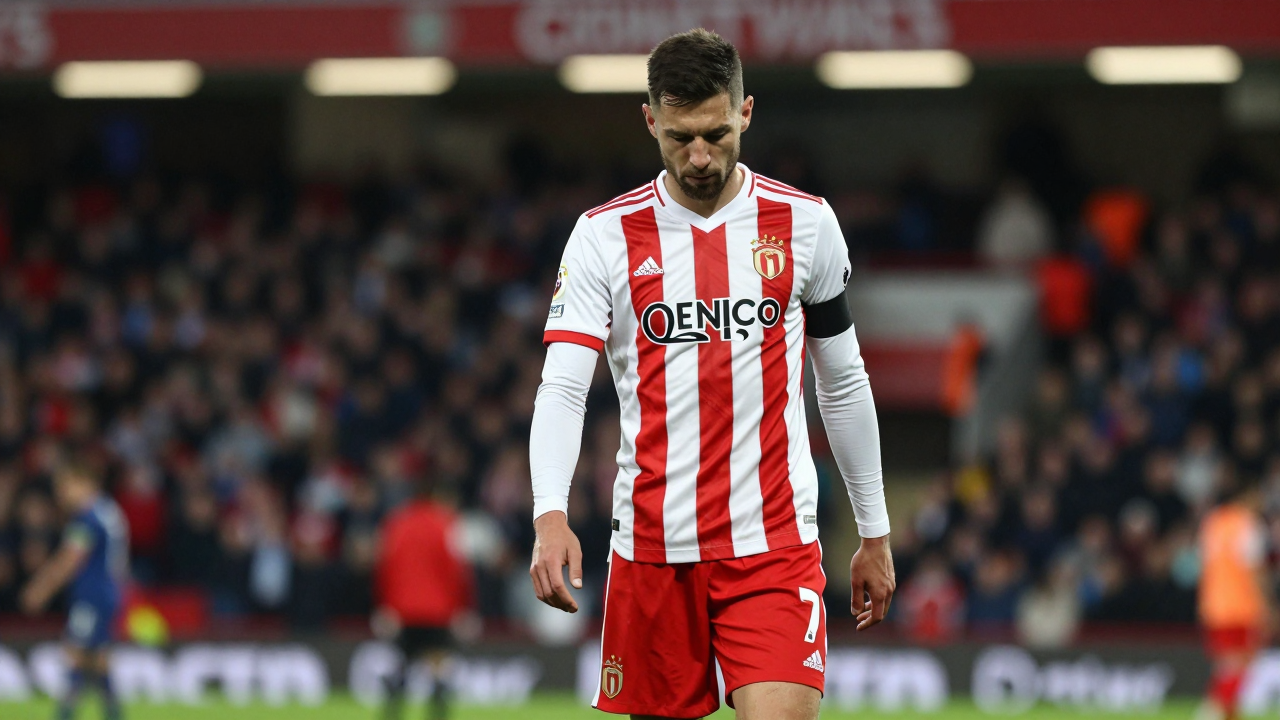

As Barnet navigates the challenging waters of League Two, the tactical approach of the Bees has come under scrutiny. Recent matches have showcased flashes of brilliance, but consistency remains elusive. To secure a solid finish to the season, it’s imperative to analyze the current tactical setup and make necessary adjustments.
Formation Flexibility
Currently, Barnet has been utilizing a 4-4-2 formation, which has served its purpose but may be limiting the team’s attacking potential. Transitioning to a 4-2-3-1 could provide the Bees with more fluidity in the final third. This formation allows for a more dynamic midfield presence, with two holding midfielders providing defensive cover while the attacking midfielder can exploit spaces between the opposition's lines. This tweak would harness the creativity of players like Browne and Assombalonga, allowing them to operate in more advanced positions and create goal-scoring opportunities.
Emphasizing Wing Play
Another area to address is the use of width. While Barnet has competent wingers, the current setup often sees them isolated against opposing full-backs. By encouraging overlapping runs from the full-backs, Barnet could stretch opponents and create more crossing opportunities. This tactic not only opens up space in the middle but also allows for quick transitions, capitalizing on the pace of the wide players. The Hive's faithful would relish seeing more creativity down the flanks, enabling a more traditional approach to breaking down stubborn defenses.
Midfield Dynamics
In recent outings, the midfield has appeared congested, often leading to a lack of tempo in the build-up play. Introducing a more fluid rotation among the midfielders could enhance overall team synergy. Encouraging midfielders to interchange positions will disrupt the opposition’s marking schemes and create pockets of space for attackers to exploit. Additionally, integrating a box-to-box midfielder could add an extra dimension to Barnet's play, allowing for late runs into the box to support the striker and increase goal-scoring chances.
Defensive Solidity
While addressing the attacking aspect is crucial, defensive stability should never be overlooked. Barnet has shown vulnerabilities at the back, particularly during set pieces. Implementing a more organized defensive setup, perhaps with a designated leader in defense to coordinate during set plays, could minimize these risks. Moreover, instilling a mindset of compactness, especially when out of possession, will allow Barnet to regain control and launch quick counter-attacks.
Conclusion
As the Bees look to solidify their position in League Two, tactical adjustments are essential for unlocking their potential. By embracing a fluid formation, emphasizing wing play, and fostering a dynamic midfield, Barnet can enhance their performances and achieve the results needed for a strong finish. The Hive is buzzing with anticipation, and with the right tweaks, the Bees can soar higher in the league.