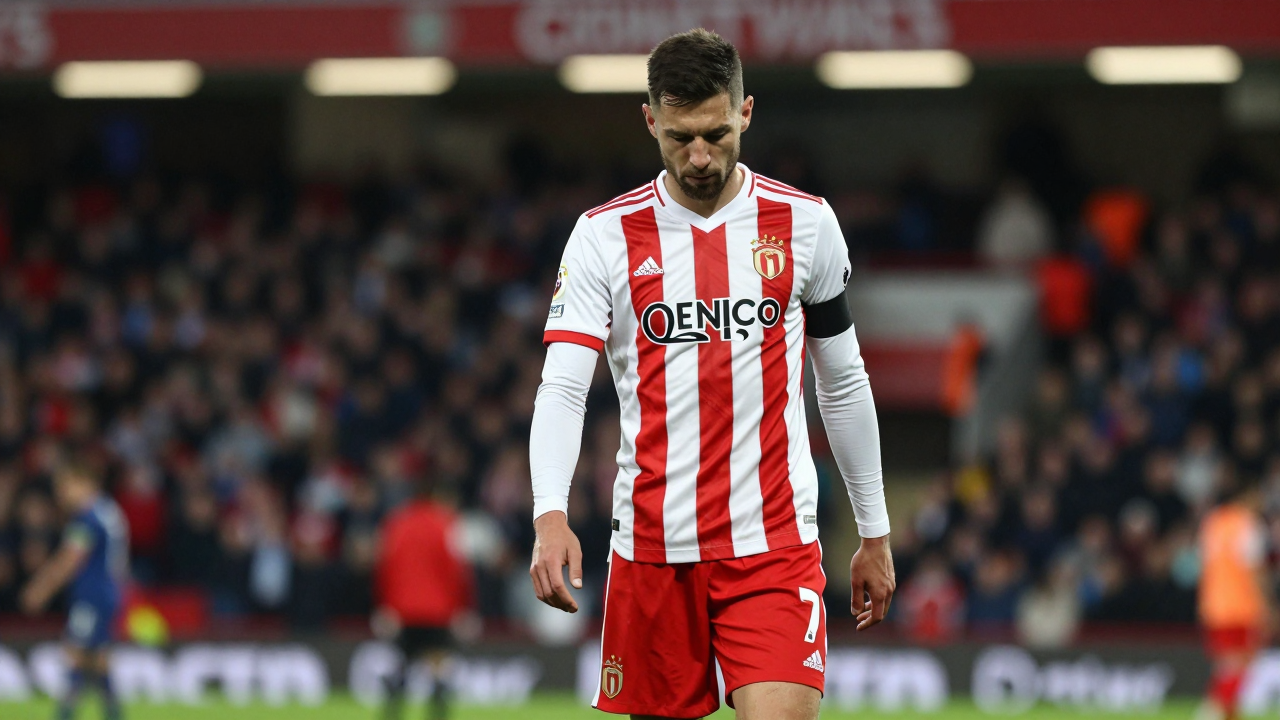
Introduction
Barnet FC, affectionately known as The Bees, has had a mixed bag of results in recent outings, showcasing both resilience and vulnerability. As the team continues to navigate the challenges of League Two, a closer look at their tactical approach reveals opportunities for refinement that could lead to greater success on the pitch.
Current Tactical Setup
Under the guidance of their management, Barnet has primarily adopted a 4-2-3-1 formation, which allows for both defensive stability and attacking options. The double pivot in midfield has been crucial for providing cover for the backline while facilitating transitions to attack. However, the effectiveness of this system has varied, often leading to a lack of creativity in the final third, particularly against well-organized defenses.
Key Observations
1. Midfield Dynamics
While the double pivot has served its purpose in terms of defensive solidity, the midfield duo sometimes appears too conservative, limiting the forward momentum required to unlock opposing defenses. Players like R. Browne and J. Smith have shown flashes of brilliance, but they need to be more adventurous in their positioning and passing to connect better with the attacking trio.
2. Wing Play
The Bees have benefited from width in their attacking play, primarily utilizing the pace of their wingers. However, there have been instances where the wingers have become isolated or over-relied upon to create chances. A more integrated approach, where the full-backs push higher up the pitch to support wing play, could stretch opposition defenses and create additional space for attackers.
3. Defensive Solidity
Defensively, Barnet has demonstrated a strong unit, particularly with O. Evans in goal. Nevertheless, there have been moments of vulnerability, especially during transitions when the team loses possession. Ensuring that the midfielders drop back quickly to form a compact shape could mitigate counter-attacks, which have proven to be a thorn in their side during critical moments.
Suggested Tactical Tweaks
1. Encourage Midfielders to Push Forward
To enhance creativity, the coaching staff should encourage the midfielders, particularly the more attack-minded ones, to venture forward more frequently. This could involve implementing specific drills in training that focus on late runs into the box and quick one-two exchanges around the edge of the penalty area. This will not only add another dimension to their attacks but also create confusion among opposing defenders.
2. Overlapping Full-Backs
Introducing a more dynamic overlapping strategy with full-backs will help create width and open up space in the middle. By instructing the full-backs to overlap wingers, Barnet can force defenders to make difficult choices, potentially leading to mismatches and openings for key players. Additionally, this tactic can stretch the opposition, allowing the forward players to exploit gaps more effectively.
3. Compact Defensive Shape
In defensive situations, emphasizing a compact shape with the midfielders and forwards working hard to track back will be vital. A more cohesive unit will help to nullify threats from opposition counter-attacks. Coaches could devise specific exercises that promote quick transitions from attack to defense, ensuring players understand their roles in maintaining shape.
Conclusion
As Barnet FC looks to build on their recent performances, implementing these tactical tweaks could enhance their effectiveness both offensively and defensively. By fostering a more adventurous midfield, utilizing the width of the pitch through overlapping full-backs, and ensuring a compact defensive structure, The Bees can aim for more consistent results as they strive to climb the League Two table. With the right adjustments, the potential for greater success is firmly within reach.